




Is money missing? Have you noticed a weird file on your devices? Maybe you’ve had an unsettling phone call from someone claiming to be from the government saying you owe taxes.
**Over $12.5 billion was lost to fraud in 2024, continuing a steady upward trend that saw $10 billion lost just the year before.1 Scammers are getting smarter and using more elaborate schemes to steal personally identifiable information. Some even use AI voice cloning technology to impersonate loved ones in distress — a tactic the FTC has flagged as a growing threat.
Hitting the reject call button is just one step you can take. But we recommend reporting any suspicious call, text, or social media message so you can stop these scams from tricking other people. But who should you talk to? We’ve listed the best places to report a scam and the information you need to provide. We’ve even thrown in some tips to keep you safe online.
Here’s what you need to know.
>> Read More: What Is a Scam, and How Can You Avoid One?
Where to Report a Scam?
The first place to report a scam is to the proper authorities. Here are the best places to start.
| Who | Contact Information |
|---|---|
| Federal Trade Commission | ReportFraud.ftc.gov
1-877-438-4338 |
| Federal Bureau of Investigation | Internet Crime Complaint Center
1-800-CALL-FBI |
| Local law enforcement | Use non-emergency contact numbers in your local area |
If you’re reporting a gift card scam, we recommend contacting the card issuer. Here are some of the most popular gift card companies that are negatively impacted by these scams.
| Gift Card Company | Contact Information |
|---|---|
| American Express | 1 (877) 297-4438 |
| Visa | 1 (800) 847-2911 |
| Mastercard | 1 (800) 307-7309 |
| Vanilla | 1 (833) 322-6760 |
| Amazon | 1 (888) 280-4331 |
| Apple | 1 (800) 275-2273 |
| Best Buy | 1 (888) 237-8289 |
| eBay | Contact eBay customer support |
| Contact Google customer support
Use this form if you don’t have a Google account |
|
| Walmart | 1 (888) 537-5503 |
FYI: According to Egress’s 2024 Email Security Risk Report, 94 percent of organizations experienced email security incidents in the past 12 months.2 79 percent of account takeover attacks started from phishing scams. The report also found that 95 percent of cybersecurity leaders reported feeling stressed about email threats facing their organizations.
What Information Do You Need to Provide?
The more information you can provide authorities and companies about the scam, the better. Some of the most helpful details are:
- The method the scammer contacted you (phone calls, text messages, social media, dating apps, etc.)
- The time of contact
- Details about the call or message
- What they asked for (personally identifiable information, gift cards, money, etc.)
- If you paid them (how much money, when you paid them, and the method you used to send the funds)
- Any identifying information about the scammer (their name, contact number, email address, etc.)
How to Spot a Scam
While it can be tough to tell if something is a scam, there are some warning signs to look out for:
Unexpected Calls or Messages
You might get a call or message out of the blue from a governmental department or business you’ve never dealt with before. It might be the IRS or a utility company. The details are generally the same: you need to pay a lump sum to avoid a fine or having your services disconnected.
Did You Know: The FTC revealed that they received an eight-fold increase in the number of impersonation scam reports with losses of over $100,000 from older adults in 2024 compared to 2020. In total, these losses accounted for over $445 million.3
Another unexpected call or message you might get involves winning a prize – even if you haven’t entered a competition. The only catch is you’ll need to pay a fee to cover the release of the funds and taxes.
Sense of Urgency
Almost all scams involve a race against the clock. You’ll only have 24 hours to meet the conditions or something terrible will happen. The threat is designed to scare you into rushing and not looking too closely into the details.
Unusual Requests
Another telltale sign of a scam is when it involves unusual payment methods or requests. For example, you might be told you can only pay your electricity bill with Walmart gift cards, or that you need to send cryptocurrency to collect a prize. If the steps sound off, trust your gut — ignore the message or hang up the phone.
Bad Spelling or Grammar
Scammers don’t make it a habit to check their spelling or run the text through Grammarly. If you notice weird words or non-US language within messages or emails, you can add it to your spam folder.
Low-Quality Images
Most businesses and government departments use high-resolution images when sending emails. If the photos are so pixelated that you’re questioning whether you need glasses, don’t blame your eyes. It’s just a scam.
Signs You’ve Been Scammed
Sometimes, it’s not apparent that you’ve been scammed. You may need to investigate before you contact the authorities and report a scam. Look out for these signs:
- Unusual transactions on your bank and credit card statements
- Weird entries on your credit report
- Notifications that someone is claiming benefits in your name
- Invoices or bills for purchases you never made
- Rejected credit applications despite having a good history
- Unexpected parcels arriving at your home
- Two-factor authorization requests are sent to your phone or email
- Blocked access to streaming services
- You’re locked out of your computers and devices
- Your personal information has changed on accounts
- New posts appear on your social media profiles you didn’t create
- Products you purchased never arrive
How to Protect Yourself From Future Scams
Whether you have already been scammed or managed to avoid one, you can take steps to reduce the number of calls and messages coming your way.
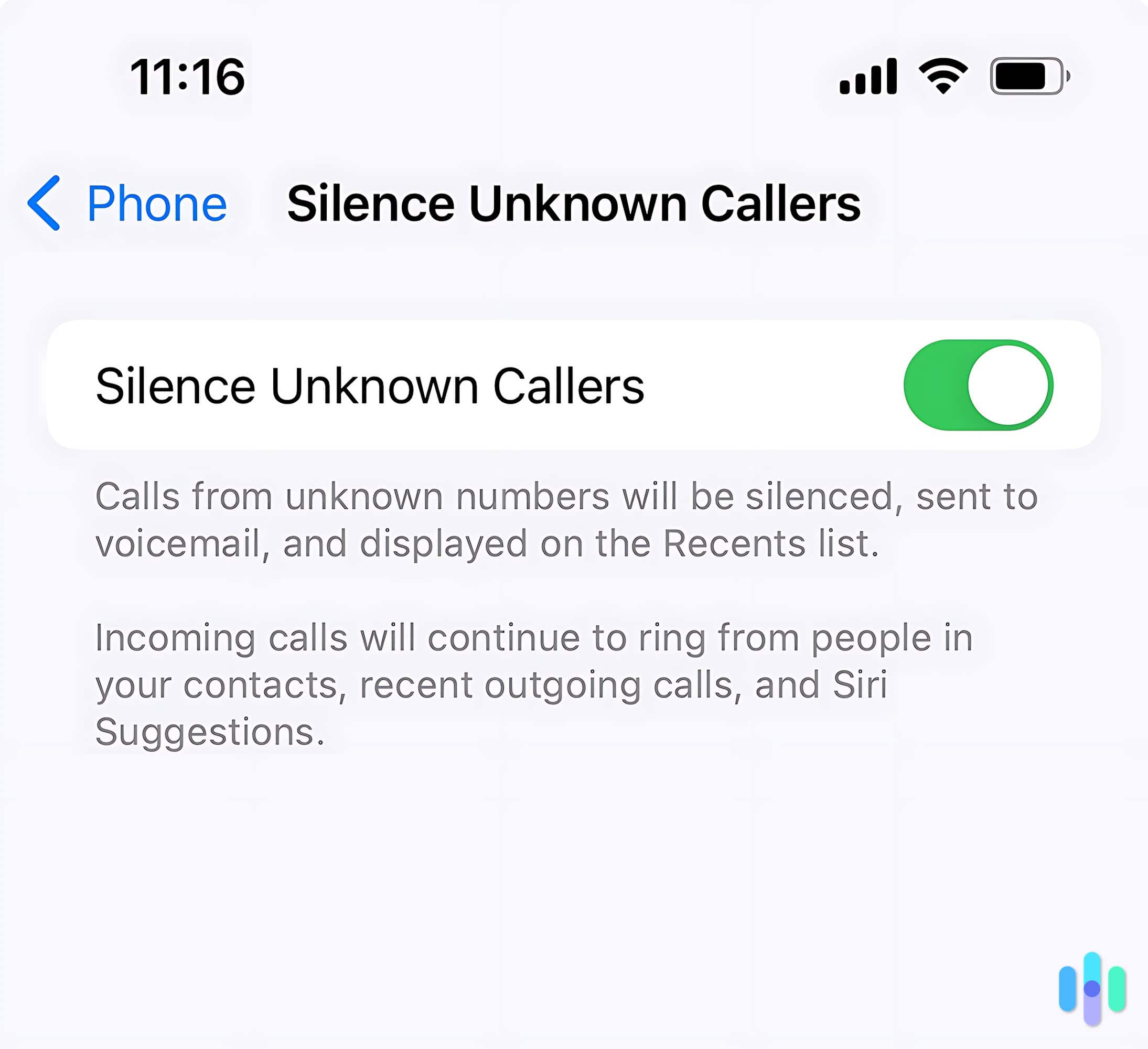
- Turn on spam call detection: There’s a setting on iPhones and Android devices that detects whether an incoming phone call or text message is from a scammer. You can instantly reject it and report the call simultaneously so others will know to ignore it.
- Block phone numbers: Unfortunately, these settings aren’t perfect, and a call or message might slip through the cracks now and then. We recommend blocking these calls and marking them as spam so you don’t get bothered again.
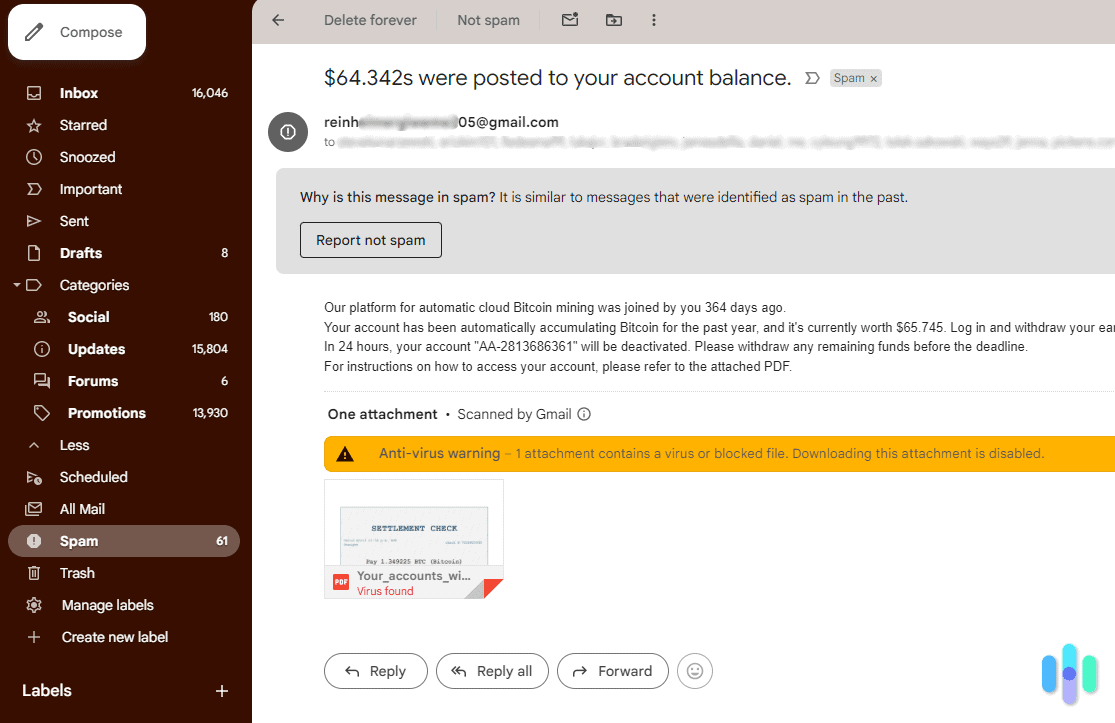
- Mark emails as spam: Any suspicious emails should immediately be sent to your spam folder. It should stop them from arriving in your inbox, so you won’t accidentally click on unusual links or download dangerous files.
- Access identity theft protection services: Trying to keep scammers away can feel like a full-time job. We rely on tools like identity theft protection services for assistance. They can remove your name from spam lists, monitor your credit file and scan the dark web for your personal information.
- Use VPNs while online: Using a Virtual Private Network can encrypt your internet traffic and keep you anonymous online. Some of the best VPNs have kill switches, which means traffic will stop transmitting if your connection drops out.

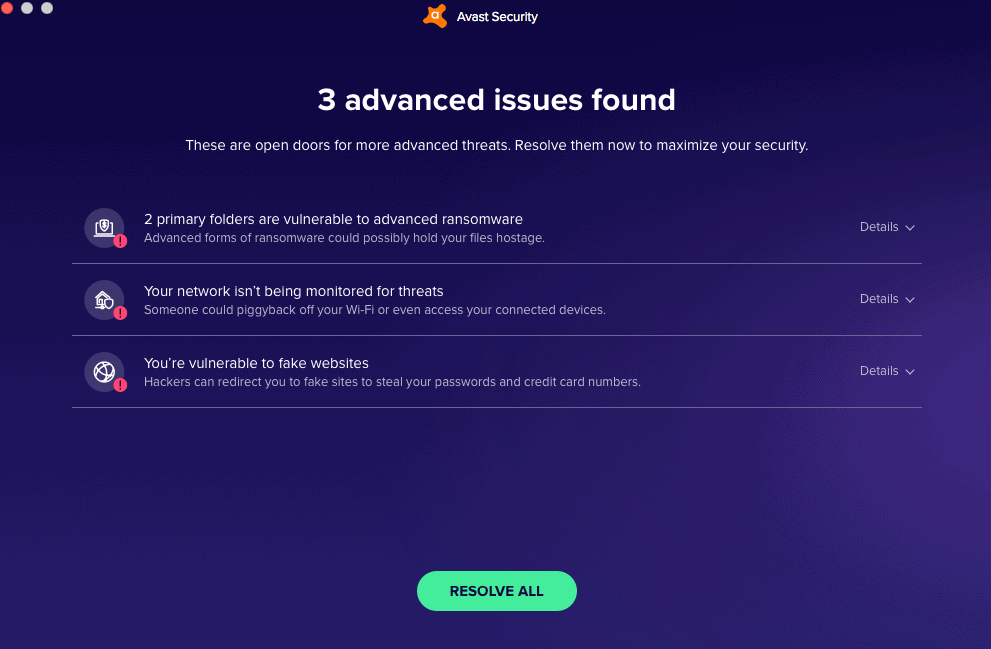
- Regularly scan devices with antivirus apps: We recommend scheduling regular scans for malware and viruses on your devices. Antivirus apps update their databases regularly to protect you from the latest threats.
Related reading: How to Stop Spam Calls
FYI: You don’t need antivirus protection for everything you own. For example, most iOS devices aren’t targeted for ransomware attacks. But if you’re using Windows, an Android, or Macbook, you should install one immediately.
Is It Worth Reporting a Scam?
If you’ve had any interaction with a scammer, you should report it. Your experience can help reduce the chances of other people becoming a victim. Online forms have made reporting the details with the FTC and FBI easier. You no longer have to wait on hold listening to elevator music to speak to somebody.
We also recommend a proactive approach, even if you haven’t been scammed yet. Defending yourself with identity theft protection services, VPNs, and antivirus software means you’re not constantly glued to your credit report or bank statements. And if a scammer does strike, you’ll be in a much better position to reclaim your identity and limit the damage.
>> Up Next: A 2026 Guide to Identity Theft Protection
Frequently Asked Questions
-
How do you get your money back from a scammer?
If you notice unauthorized transactions on your bank or credit card statement, contact your financial institution to report it. They should be able to reverse the transaction and get your money back.
-
Where do you report scam emails?
You can report phishing emails to reportphishing@apwg.org and the FTC. We also recommend contacting the company or government department the email is impersonating so that they can alert their customers.
-
Can you report a scammer from another country?
Yes, you can. Head to the International Consumer Protection and Enforcement Network website to report international scams. They partner with over 60 consumer protection agencies worldwide.
-
Can a scammer access your bank account with your phone number?
Scammers can use your phone number to hack into online accounts, including your bank account. We recommend setting up two-factor authentication and changing your passwords to reduce the risk of unauthorized transactions.
-
How often do people get their money back after being scammed?
The results can vary. It will depend on your bank’s policies, the type of scam, how much you’ve lost and how quickly you report it. There is a federal law that banks must reimburse you for unauthorized transactions. But they don’t have to if you were tricked into sending the money by a scammer.